
-
-
CALL US NOW
+1 (888) 976-8758
-
OUR LOCATION
Dallas, TX

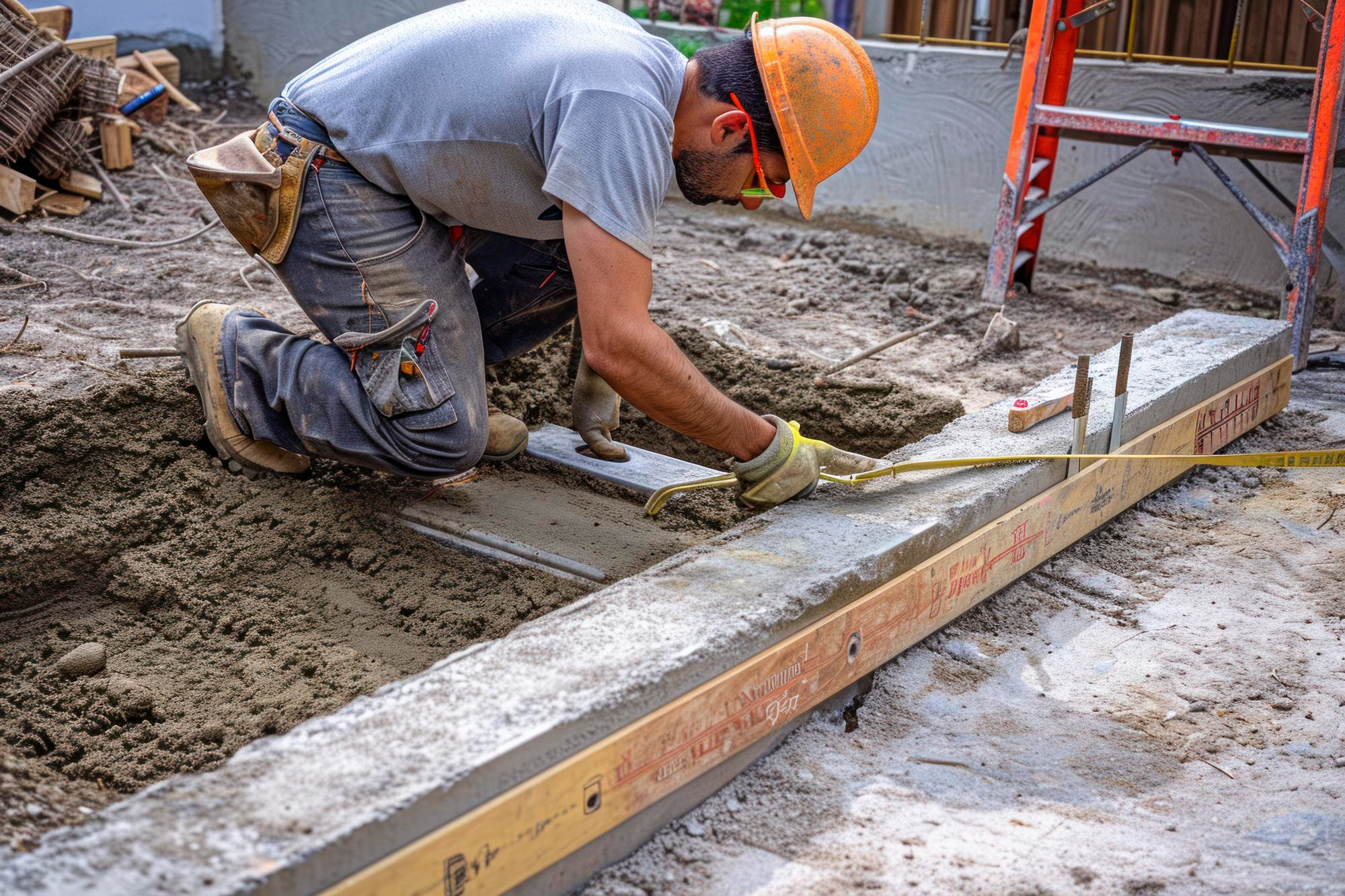
Properties across Arlington need concrete systems that balance strength, drainage, appearance, and dependable daily use. The network supports projects by connecting clients with professionals who can evaluate practical requirements before equipment, crews, and materials arrive on site. This matters throughout residential communities, entertainment districts, and high-traffic commercial properties, because common requests include driveways, patios, foundations, walkways, and structural repairs.
Long-term performance depends on more than a smooth finish. Contractor partners consider soil support, water flow, slab thickness, reinforcement, control joints, edge details, and curing before the project is considered complete.
Local planning should account for soil movement and drainage demands between Dallas and Fort Worth. A well-organized project keeps the site safer, reduces surprises, and gives the owner a clearer view of each construction stage.
Forms and finish elevations are set to direct water away from structures and toward suitable drainage points. The final approach depends on the property's grade, neighboring surfaces, and local runoff patterns.
No outdoor concrete can be guaranteed never to crack, but proper base preparation, mix selection, reinforcement, control joints, drainage, placement, and curing can reduce random cracking and help control where movement occurs.
The site should be reviewed for access, grade, drainage, soil support, utilities, demolition needs, and the loads the finished concrete must carry. Those findings help define thickness, reinforcement, base preparation, and placement logistics.
Yes, but the plan may need smaller equipment, staged demolition, protected access routes, and carefully timed hauling and deliveries. A site review helps determine the safest and most efficient sequence.
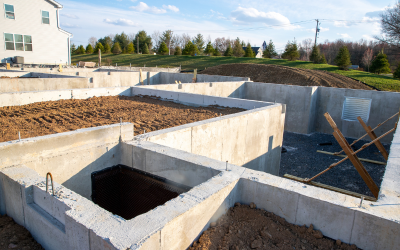
Concrete project connections for Arlington homes, businesses, and development sites.